We find it hard to believe as well 🙂

We find it hard to believe as well 🙂
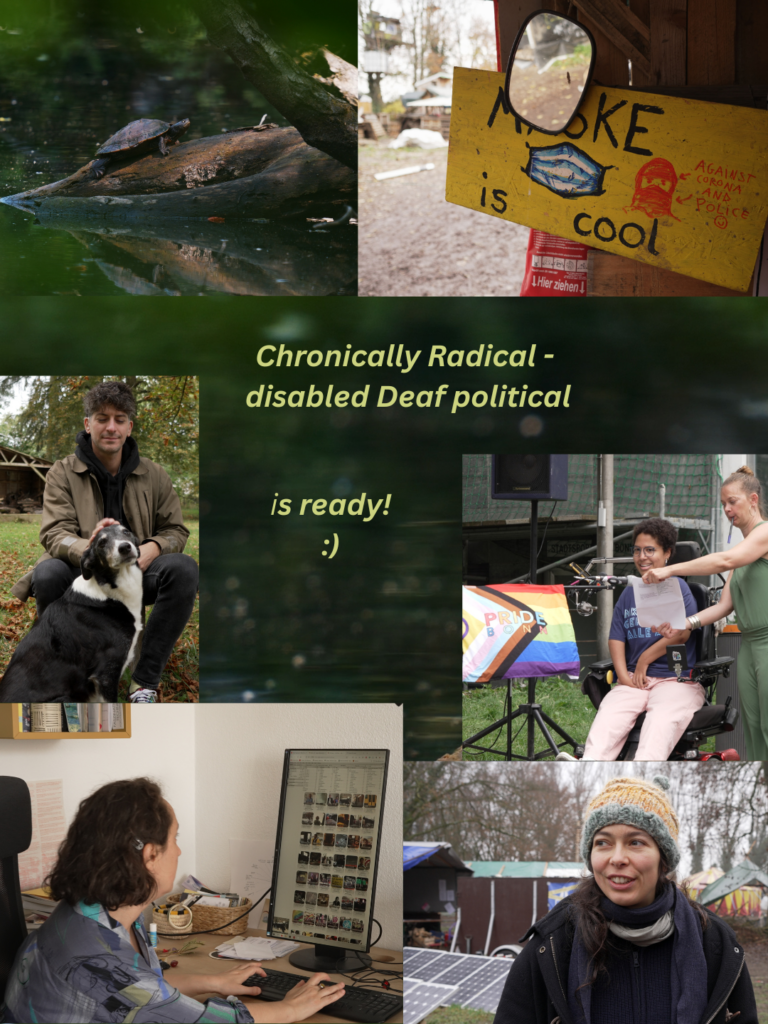
We are pleased to announce that our film about disability and political activism will be released at the end of June 2026. We explore disabled resistance, and how spaces, groups and movements can be more accessible.
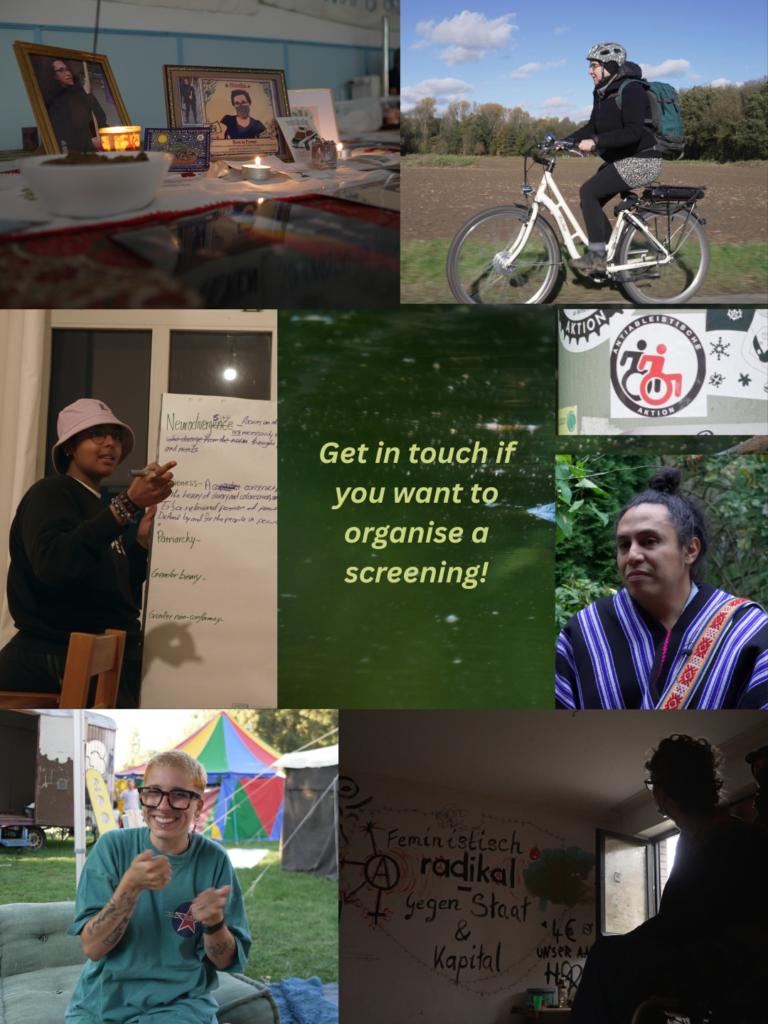
Let us know if you want to organise a screening. We’re very happy if you watch with your groups etc.
If you are interested just send us an email!
What is it about?
A voyage through different spaces of disability resistance and activism. How can we as disabled people struggle for a good life for everyone?
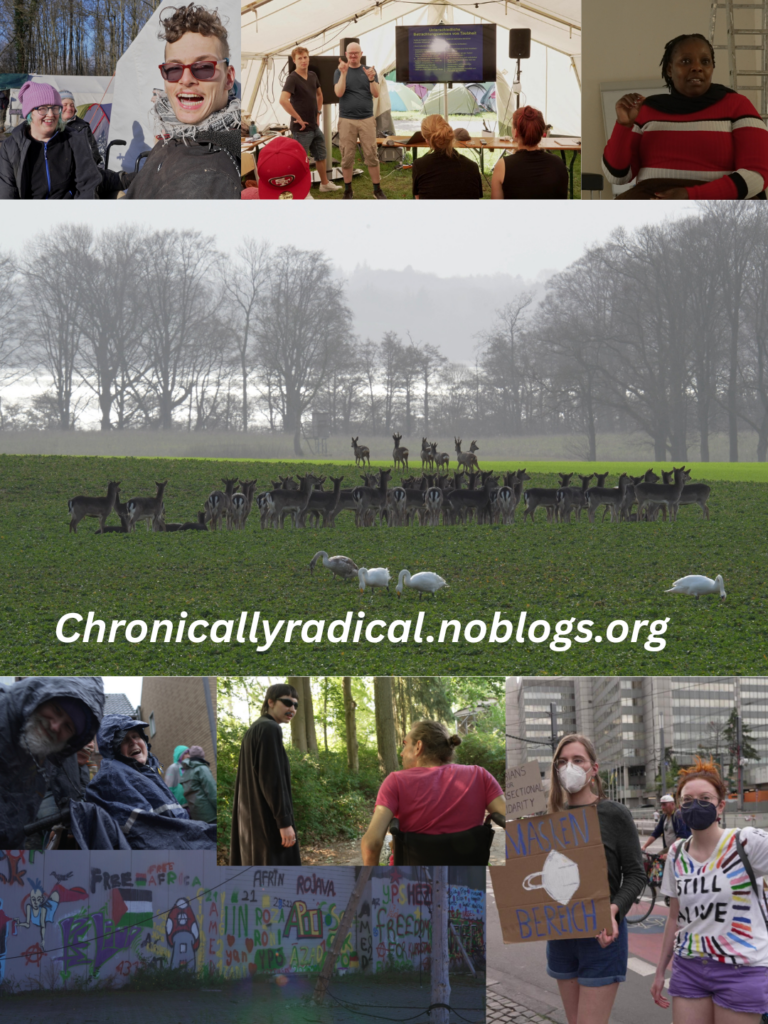
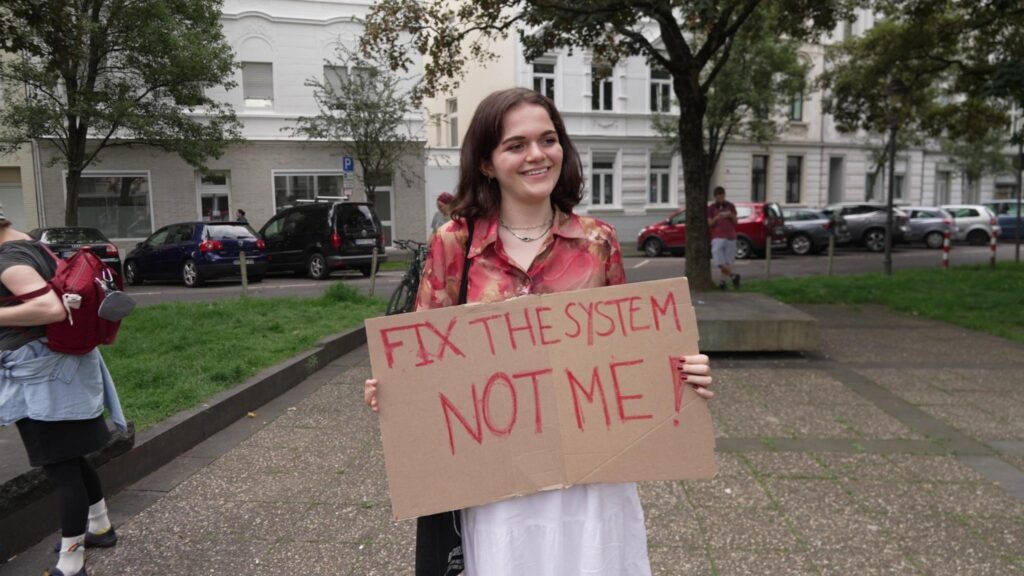
The film accompanies politically engaged chronically ill, d/Deaf, neurodivergent, disabled… people, and invites us to join the struggle. Our protagonists fight for many different causes, from the perspective of diverse intersections. They resist exclusion in broader society as well as in political movements. In their struggles they use methods old and new, whether through party politics, online organising, demonstrations, or direct action.
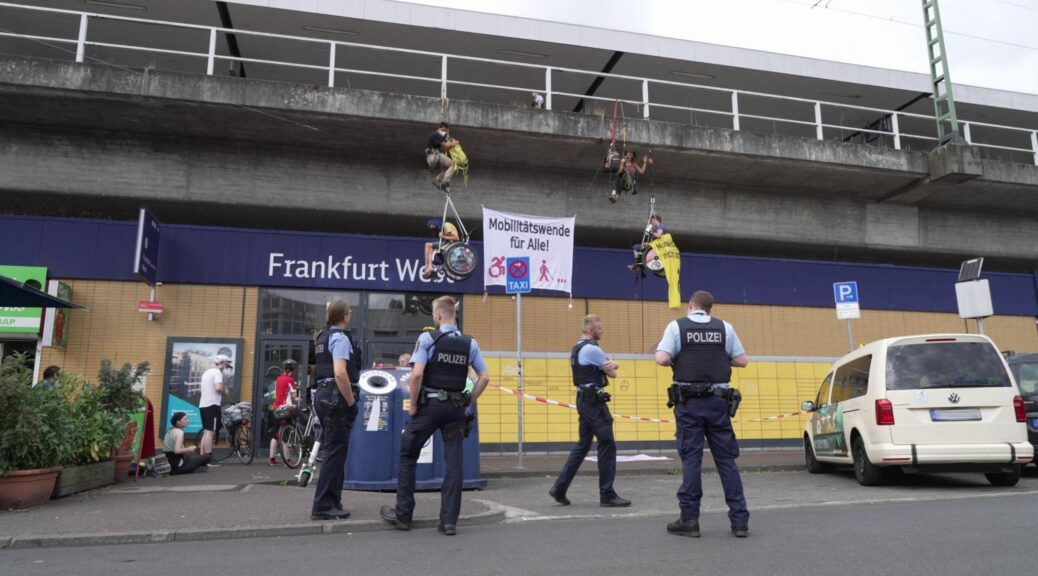
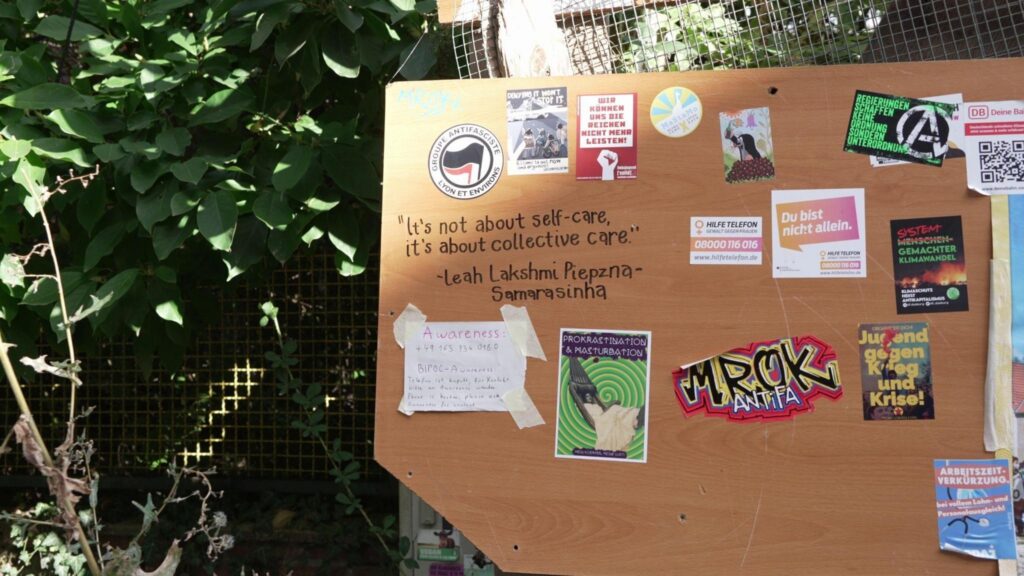
Our travel takes us to protest sites, climbing actions, street protests, and also to conferences and gatherings. We learn about ideas and praxis to build inclusive and accessible movements, and to oppose ableism.
Accessibility and Languages
The film is in several languages, mainly in German, with continuous subtitles (so far in English and German). There is a German audio description. We plan to also make an English audio description as well as translation into German Sign Language and maybe also International Sign Language.
About us
Lian and Delila have been making films about political movements that they are part of for many years now. Their last film, „Radical Resilience“ (2020), was about burnout and regenerative activism. Through Lian’s chronic illness they discovered how inaccessible movements can be, and how ableism feels. These experiences led to the idea for „Chronically Radical“.
Send us a mail if you want to organise a screening! ( radicalresilience@riseup.net )
More information and ideas for organizing a screening and making it accessible: (COMING SOON)
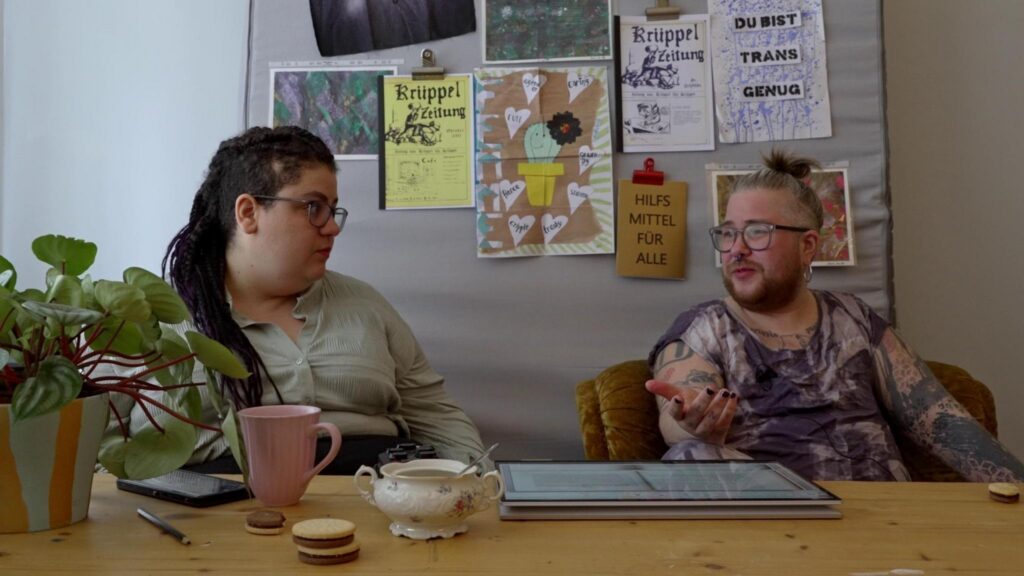
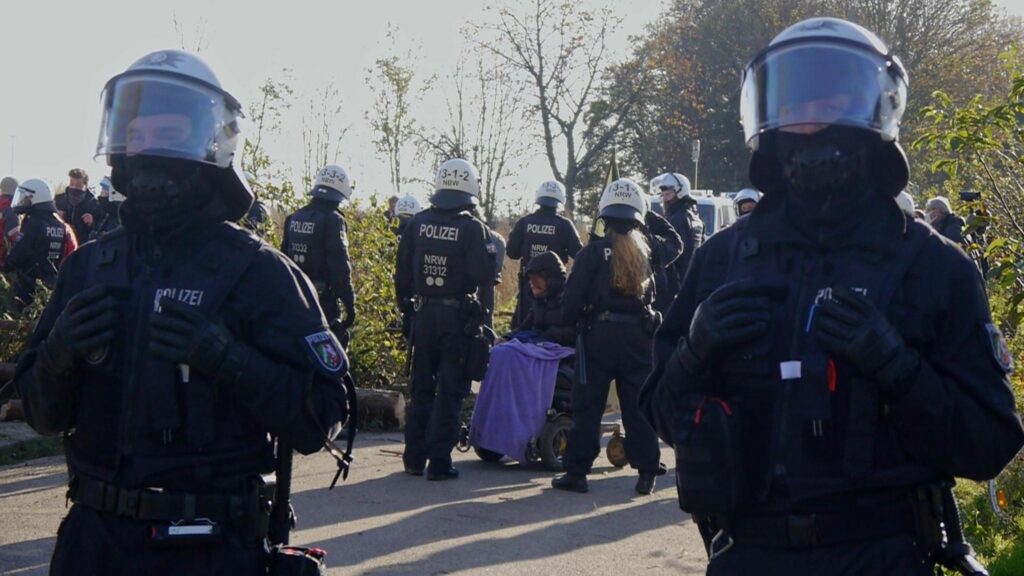
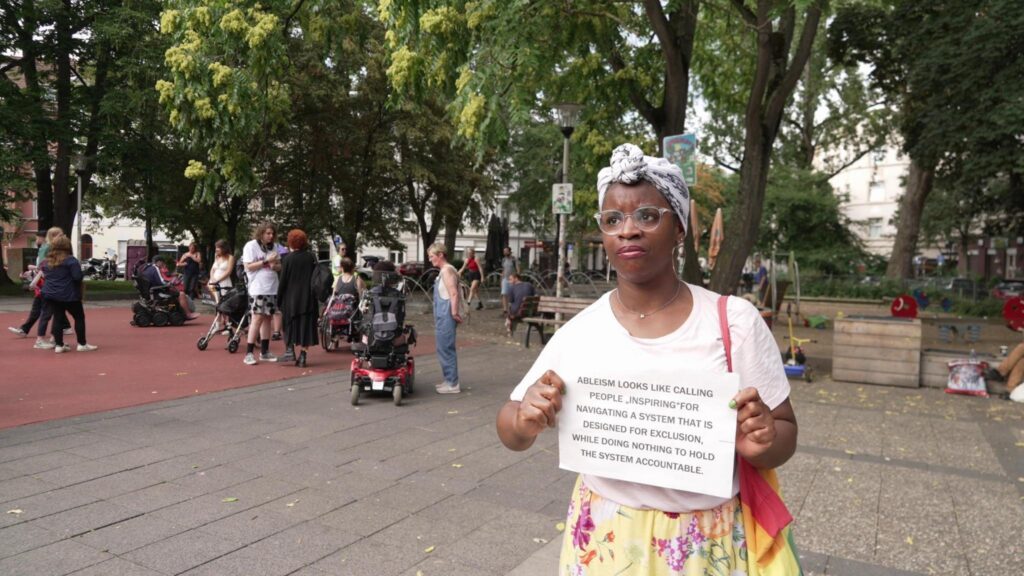
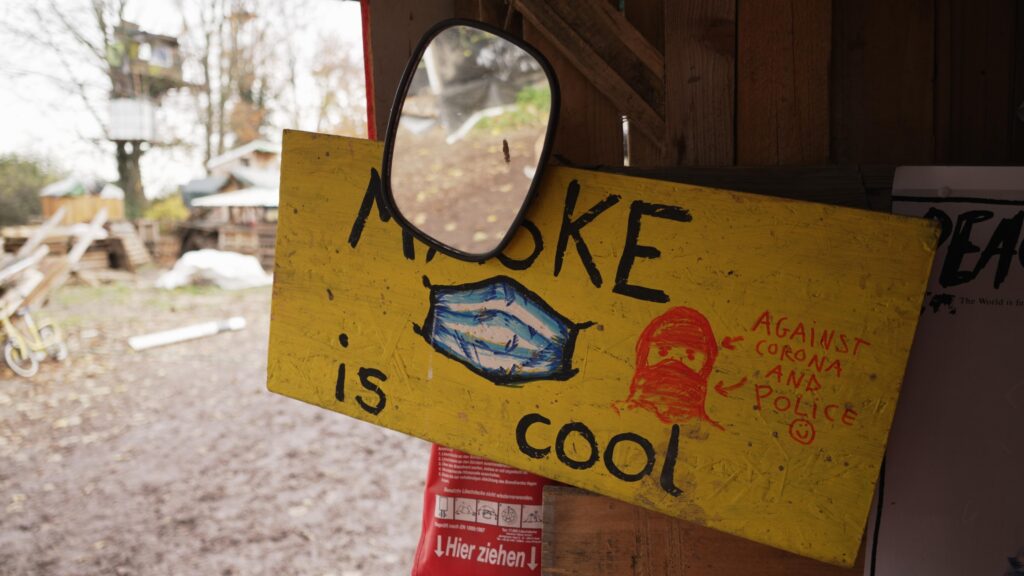
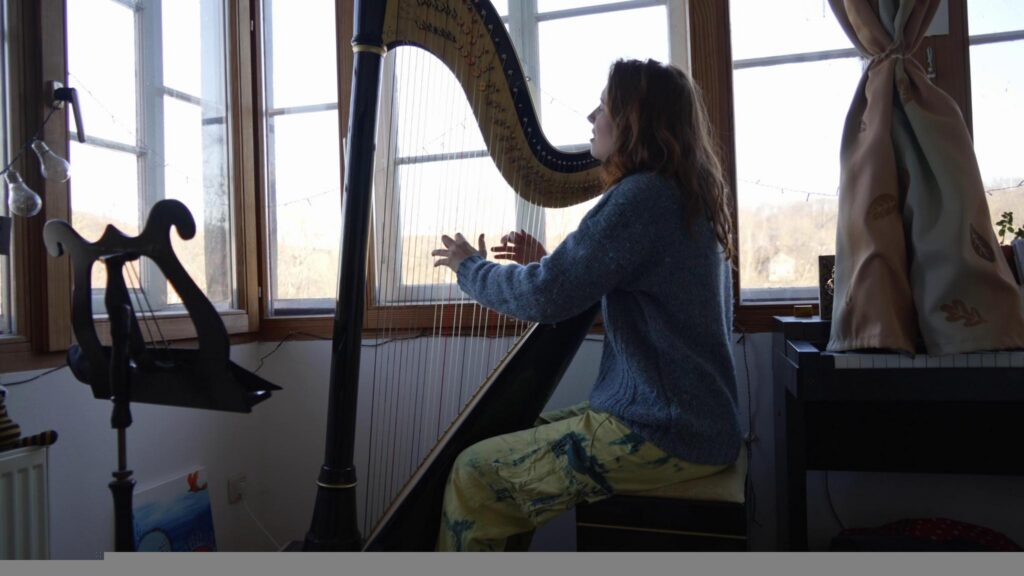
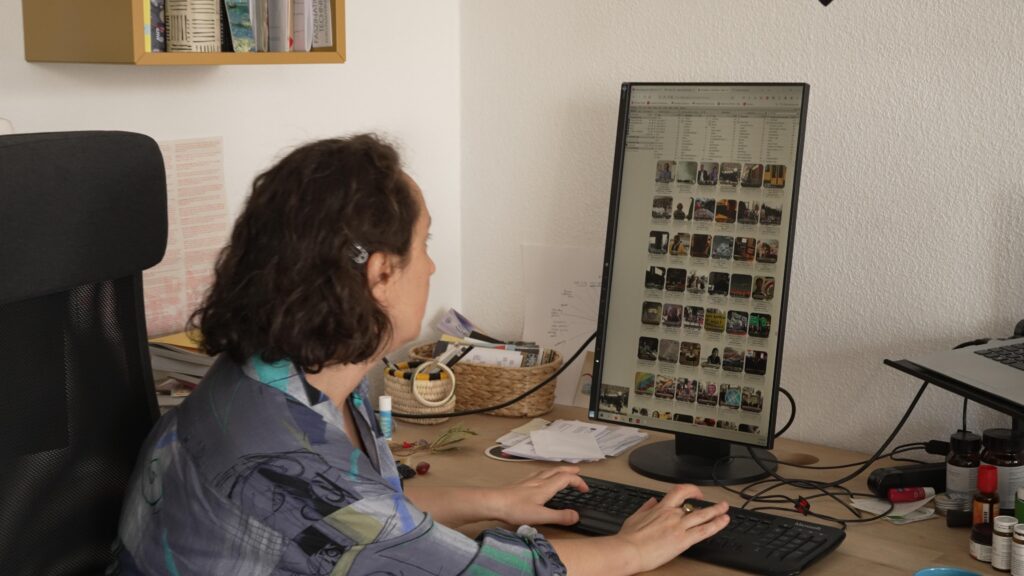
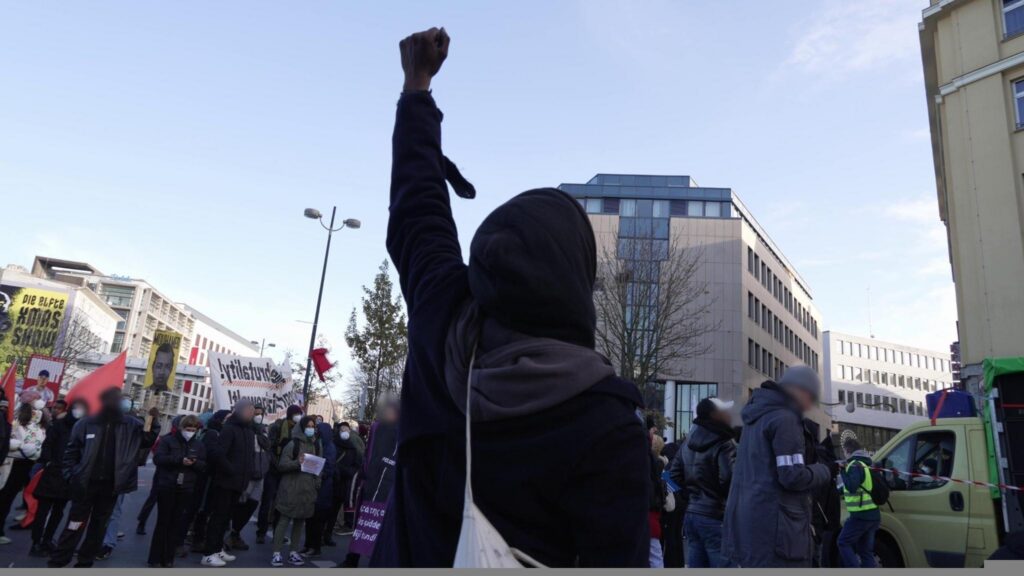
We’ve been working on this film for 6 years now, and we’ve learned a lot from the people we met. With the film we hope to pass on this knowledge, and to encourage change! Thank you for supporting us in that!
A couple of things that we find important:
Accessible film screenings
Its important for us that the film is accessible for as many people as possible. That’s why we created an audio description in German (and soon in English), as well as continuous subtitles in German and English. We also hope to be able to make a translation in German Sign Language and maybe also International sign language. (If people have ideas for how to get funding for that get in touch!)
We also hope to create change in the places and groups where the film is shown, so we ask you to think about how you can make the film screenings accessible for example for deaf, blind, neurodivergent, chronically ill, mobility impaired people. That could include:
It’s not always possible to make everything accessible for everyone, and sometimes there are also conflicting access needs, but it’s good to make a start. Obviously what is possible depends on the resources available to you and your group. Some things on the list are also possible with little effort and money.
It’s great if you can put some of that into place, but don’t worry if it’s not possible. Maybe it can be the start of something 🙂
In any case it’s very important to transparently provide information on the invitations, on your website etc about how accessible the space and the event is for people with different disabilities. If the screening is public it’s also good to include an email address or phone number if people need to ask about access needs.
It could be a good idea to share the invitations in spaces where disabled people can be reached. They are excluded so often, it’s time for that to change!

Please support us
Lian is very ill and at the moment we have to organise and finance medication and also assistance ourselves. That’s not possible without support. We want the film to be available for everyone, regardless of whether they can afford it or not, so if possible we would like there to be no fixed entry price. But we would ask everyone who can to support us. If you are a project, space, NGO etc, who normally pays your workers and contractors, think about if you could maybe give us a bit more. Living with chronic illness is very expensive. We would be very happy, and we need the support to also finish the second part of the film, and to make this first part even more accessible. You can also let us know, if you could support by writing an application to the city or to an association etc for funding.
After the film
We’ve also thought about how you could moderate a discussion or exchange after watching the film. For example you could ask what barriers people in the room experience, and what they would wish for. How does ableism affect you?
Then you could reflect on how your group/movement could be more accessible, and think of the next steps to get there.
We’ll be very happy if you organise a film screening, and we hope that together we can change a lot!
If you like you can also share with us, how the screening went, as lian can’t leave bed we’ re happy to stay connected and get to travel through the film 🙂
I just finished reading „Black Disability Politics“ by Sami Schalk and wanted to share some things I’ve learned. This is a very important book for activist groups and movements and I would encourage everyone to get a copy (it is also available for free)1! Sami Schalk examines how the subject of disability was dealt with in past and present Black activist organising. To put this review into perspective, I am writing this as a white, queer nonbinary, neurodivergent and physically non-disabled person born and living in western Europe.
Continue reading Book Review: “Black Disability Politics” by Sami Schalk